The story of The Three Little Pigs is a timeless fable teaching valuable lessons about hard work and preparation. Available as a free PDF, it offers engaging educational resources for teachers and parents, ideal for early childhood learning.
Overview of the Story
The story of The Three Little Pigs revolves around three pigs who set out to build their own homes. The first two pigs, being lazy, construct houses of straw and sticks, while the third pig, being diligent, builds a sturdy brick house. A hungry wolf, seeking to eat them, attempts to blow down their houses. The straw and stick houses easily collapse, but the brick house withstands the wolf’s huffs and puffs, saving the third pig. This classic tale emphasizes the importance of preparation and hard work, while also highlighting the consequences of laziness. The story has been adapted into various versions, including free PDF downloads, making it accessible for educational purposes and bedtime reading.
Historical Background
The story of The Three Little Pigs has its roots in traditional European folklore, with the first published version attributed to James Orchard Halliwell-Phillipps in the 19th century. The tale was later popularized by Flora Annie Steel, who adapted it for children. Over time, the story has evolved through various retellings, maintaining its core moral lessons. Its historical significance lies in its ability to convey timeless values such as hard work and preparedness. Today, the story remains a beloved fable, widely available in PDF formats for educational and storytelling purposes. Its enduring appeal has made it a staple in classrooms and homes worldwide, ensuring its legacy as a cherished tale for generations.
Main Characters in the Story
The story features three little pigs and a big bad wolf. The pigs, known for their distinct approaches to building houses, face the wolf’s relentless attempts to blow them down.
The Three Little Pigs
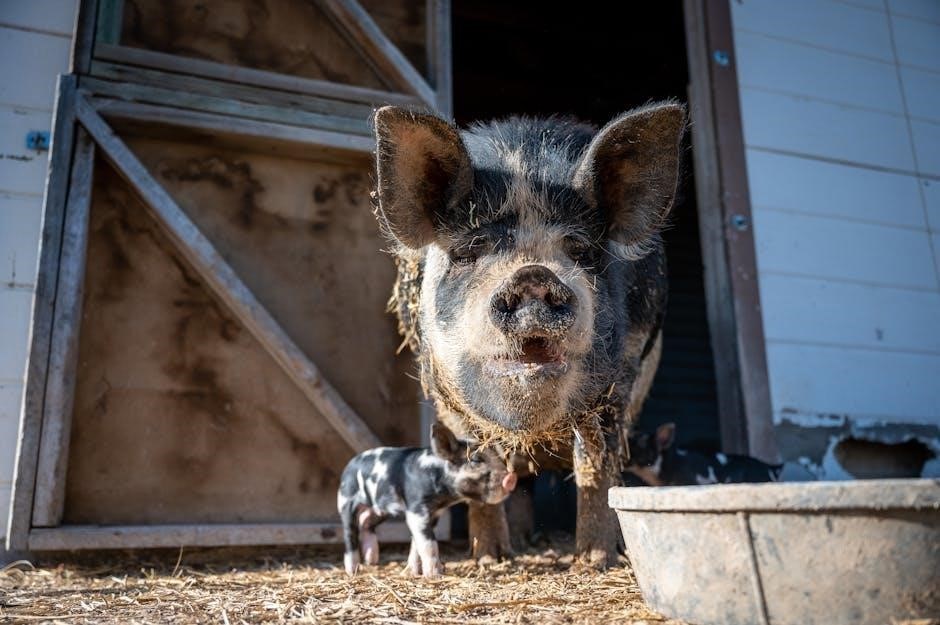
The three little pigs are the central characters in the story, each representing different traits. The first pig is lazy and quickly builds a straw house, while the second is slightly more ambitious, constructing a stick house. Both pigs prioritize leisure over safety. In contrast, the third pig is diligent and hardworking, building a sturdy brick house to protect himself. Their choices reflect the story’s moral lessons about preparation and responsibility. The pigs’ actions drive the plot, showcasing how their decisions lead to consequences when the big bad wolf arrives. Their distinct personalities make them relatable and memorable, teaching children the importance of hard work and planning. The story, available in PDF formats, remains a popular educational tool for early learners.
The Big Bad Wolf
The big bad wolf is the antagonist of the story, known for his cunning and hunger. He targets the three little pigs, seeking to eat them by destroying their houses. The wolf’s actions are driven by his desire to outsmart and overpower the pigs, showcasing his manipulative nature. His famous “huffing and puffing” to blow down the houses becomes a central plot device. The wolf’s relentless pursuit highlights the consequences of the pigs’ choices, as the weaker houses built by the first two pigs are easily destroyed. The wolf’s character serves as a cautionary figure, emphasizing the importance of preparation and strength. His role in the story, available in various PDF versions, underscores the moral lessons of hard work and responsibility.
Moral Lessons from the Story
The story emphasizes the importance of hard work and preparation, while highlighting the consequences of laziness and the value of perseverance in overcoming challenges.
Importance of Hard Work
The story of The Three Little Pigs underscores the significance of hard work and diligence. The third little pig, who invested time and effort into building a sturdy brick house, survived the wolf’s attacks. His preparation and perseverance paid off, while the first two pigs, who took shortcuts, faced consequences. This moral lesson teaches children that hard work leads to safety and success, while laziness can result in failure. The story encourages young readers to adopt a proactive approach to life, emphasizing that effort and dedication are essential for overcoming challenges. By focusing on the third pig’s example, the tale reinforces the value of responsible behavior and the rewards of hard work.
Consequences of Laziness
The story of The Three Little Pigs vividly illustrates the consequences of laziness. The first two pigs, who quickly built houses of straw and sticks, suffered dire outcomes when the wolf attacked. Their laziness led to the destruction of their homes, forcing them to flee for their lives. This serves as a cautionary tale, showing how shortcuts and a lack of effort can result in vulnerability and danger. The pigs’ failure to prepare adequately left them at the mercy of the wolf, highlighting the importance of taking responsibility and putting in the necessary work to ensure safety and security. Laziness, as depicted in the story, ultimately leads to chaos and regret.
Plot Summary
The three little pigs build houses of straw, sticks, and bricks. A hungry wolf blows down the first two houses, but the third pig’s brick house stands strong.

Building the Houses
The three little pigs set out to build their own homes, each choosing different materials. The first pig quickly constructed a house of straw, while the second used sticks, prioritizing speed over strength. The third pig, however, dedicated himself to building a sturdy brick house, ensuring it could withstand any threats. Their choices reflected their varying levels of effort and foresight, setting the stage for the wolf’s eventual challenges. This phase of the story highlights the pigs’ individual personalities and the consequences of their decisions, serving as a foundation for the moral lessons that follow.
The Wolf’s Attacks
The big bad wolf, determined to eat the pigs, targeted their houses one by one. He huffed and puffed, easily blowing down the straw house, forcing the first pig to flee to his brother’s stick house. The wolf repeated his attack, destroying the stick house as well, leaving the two pigs to seek refuge in the third pig’s brick house. Undeterred, the wolf attempted to blow down the brick house but failed due to its strength. Frustrated and exhausted, the wolf tried to enter through the chimney but fell into a pot of boiling water, meeting his demise. This sequence of events showcases the wolf’s relentless pursuit and the pigs’ ultimate safety in their sturdy brick home.
Different Versions of the Story
The story of The Three Little Pigs exists in traditional and modern forms, with variations like the original by James Orchard Halliwell-Phillipps and international adaptations, offering diverse perspectives.
Traditional Version
The traditional version of The Three Little Pigs tells the story of three pigs who leave home to build their own houses. The first two pigs, being lazy, construct houses of straw and sticks, which are easily destroyed by the Big Bad Wolf. The third pig, who is hardworking, builds a sturdy brick house that withstands the wolf’s attacks. This classic tale emphasizes the importance of preparation and hard work. Available as a free PDF, the traditional version is often accompanied by colorful illustrations and moral lessons, making it a popular choice for early childhood education. Authors like James Orchard Halliwell-Phillipps have contributed to its widespread availability in digital formats.

Modern Retellings
Modern retellings of The Three Little Pigs offer fresh twists on the classic tale, often incorporating new characters, settings, and moral lessons. These adaptations are widely available as PDFs, making them accessible for digital learning. Some versions feature the pigs in contemporary scenarios, such as building houses in cities or using modern materials. Illustrations are often vibrant and engaging, appealing to young readers. Additionally, educational platforms like Starfall.com provide interactive versions, combining storytelling with learning activities. Authors like Flora Annie Steel have also contributed to modernized adaptations, ensuring the story remains relevant for new generations. These retellings maintain the core message of hard work and preparation while introducing creative elements to captivate modern audiences.
International Variations
The story of The Three Little Pigs has been adapted in various cultures worldwide, offering unique twists. In Japan, the tale features pigs building houses with bamboo, while in Africa, a hyena often replaces the wolf. These variations, available as PDFs, highlight cultural differences in storytelling. For example, some versions emphasize community help, while others focus on cleverness. Illustrations and moral lessons vary, reflecting local values. Such adaptations make the story universal, allowing children across cultures to relate. These international versions are widely accessible online, providing educators with diverse resources to teach the tale. They also showcase how folklore evolves, maintaining its relevance in different societies.
Authors and Illustrators
James Orchard Halliwell-Phillipps and Flora Annie Steel are notable authors of The Three Little Pigs. Illustrators like Triska Wasser bring the story to life with vibrant visuals, enhancing its appeal.
James Orchard Halliwell-Phillipps
James Orchard Halliwell-Phillipps was a renowned English scholar and author, best known for his contributions to folklore and children’s literature. He played a significant role in popularizing The Three Little Pigs, adapting the story for wider audiences. His version emphasizes moral lessons, such as the importance of hard work and preparation. Halliwell-Phillipps’ work laid the foundation for modern retellings of the tale, making it accessible to readers of all ages. His adaptation is often included in free PDF versions of the story, serving as a valuable educational resource for teachers and parents. His legacy continues to inspire new generations through his timeless storytelling.
Flora Annie Steel
Flora Annie Steel was a British author and educator, best known for her contributions to children’s literature. She adapted The Three Little Pigs in a way that emphasized moral lessons and simplicity, making it accessible to young readers. Steel’s version of the story highlights the importance of hard work and preparation, while also showcasing her storytelling talent. Her adaptation has been widely used in educational materials, including free PDF versions of the tale. Steel’s work remains a cornerstone of early childhood education, offering valuable lessons through engaging narratives. Her legacy continues to inspire educators and parents seeking timeless stories for their children.

Educational Resources
Free customizable worksheets, lesson plans, and activities for The Three Little Pigs are available on platforms like Starfall.com, supporting Pre-K and K3 instruction with engaging materials.
Starfall.com Materials
Starfall.com offers a variety of educational resources for The Three Little Pigs, including free customizable worksheets, lesson plans, and activities. These materials are designed for teachers and parents to support early childhood education, particularly for Pre-K and K3 instruction. The resources are engaging and interactive, helping children develop essential skills in math and English language arts. Worksheets focus on comprehension, vocabulary, and creative writing, while lesson plans provide structured activities for classroom use; Starfall.com also offers downloadable materials that align with educational standards, making it easier for educators to integrate the story into their curriculum. These tools are ideal for creating a fun and effective learning environment, fostering a love for reading and learning in young students.
Worksheets and Lesson Plans
Worksheets and lesson plans for The Three Little Pigs are designed to enhance learning and engagement. These resources include activities that focus on comprehension, vocabulary, and creative writing. Teachers can use sequencing events worksheets to help students organize the story’s plot, while character analysis exercises encourage critical thinking. Lesson plans often incorporate discussions about moral lessons, such as the importance of hard work and preparation. Many worksheets are aligned with educational standards, making them ideal for classroom use. Additionally, interactive activities like drawing the pigs’ houses or role-playing the story can be included in lesson plans to make learning fun. These materials are adaptable for different learning environments and are available in both free and paid versions, catering to various educational needs.

PDF Downloads and Resources
Free PDF versions of The Three Little Pigs are widely available, offering customizable worksheets and lesson plans for teachers and parents. Paid versions include additional features.
Free PDF Versions
Free PDF versions of The Three Little Pigs are readily available online, offering a convenient way to access the story. These downloads often include the full narrative, colorful illustrations, and engaging activities for children. Many websites, such as Starfall.com, provide customizable worksheets and lesson plans alongside the PDF, making it a valuable resource for teachers and parents. The free versions are ideal for early childhood education, promoting reading skills and moral understanding. They are easily accessible and compatible with various devices, ensuring widespread availability. These resources are perfect for classroom use or home learning, aligning with curriculum goals for young learners. The free PDFs are a great way to introduce children to this classic tale while fostering educational development.
Paid Versions and Extras
Paid versions of The Three Little Pigs PDF offer enhanced features for educators and parents. These premium resources often include interactive elements, such as clickable activities, audio narration, and animated illustrations, making the story more engaging for young learners. Some paid versions provide additional educational content, like comprehension exercises, vocabulary lists, and teacher guides, to support curriculum goals. Platforms like Amazon and Educents offer these paid PDFs, ensuring high-quality materials for classroom or home use. These extras are particularly useful for teachers seeking comprehensive lesson plans or parents wanting to enrich their child’s learning experience. Paid versions are a valuable investment for those looking to maximize the educational benefits of this classic tale.
Teaching Tools
The Three Little Pigs PDF offers customizable worksheets, lesson plans, and activity ideas, providing educators with versatile tools to enhance math and reading instruction for young learners.
Reading Guides
Reading guides for The Three Little Pigs PDFs are designed to enhance comprehension and engagement. These resources often include discussion questions, vocabulary lists, and activity prompts tailored for young learners. Many guides align with curriculum standards, making them ideal for classroom use. They encourage critical thinking by asking students to analyze the pigs’ choices and the wolf’s motivations. Some guides also incorporate writing exercises, such as retelling the story from different characters’ perspectives. Additionally, they may feature sequencing activities to help students understand the plot structure. These tools are invaluable for teachers seeking to deepen students’ understanding of the story while fostering literacy skills. They are widely available online, including on platforms like Starfall.com, which offers customizable materials for educators.
Activity Ideas
Engaging activity ideas complement the Three Little Pigs PDF, offering interactive learning experiences. Students can build houses using straw, sticks, and bricks to test their durability, mimicking the story’s plot. Sequencing activities, where children arrange story events in order, enhance comprehension. Role-playing exercises allow kids to act as the pigs or wolf, fostering creativity and teamwork. Arts and crafts projects, such as creating puppets or house models, encourage imaginative play. These activities, often included in PDF resources, help reinforce moral lessons and literacy skills. They are ideal for classroom or homeschool settings, providing hands-on learning opportunities that make the story memorable and fun for young learners. Many of these ideas are available in downloadable PDF guides, making them easily accessible for educators and parents.

Classroom Activities
Classroom activities for The Three Little Pigs include group discussions on moral lessons, reading comprehension exercises using PDF materials, and interactive learning with digital tools. Hands-on projects, such as building model houses, encourage creativity and teamwork while reinforcing the story’s themes. These activities are designed to engage students and deepen their understanding of the narrative, making learning fun and effective. Many PDF resources provide structured lesson plans and worksheets to support these activities, ensuring a comprehensive educational experience for young learners.
Arts and Crafts
Arts and crafts activities based on The Three Little Pigs PDF resources encourage creativity and hands-on learning. Students can build model houses using materials like straw, sticks, and bricks, replicating the story’s themes. Drawing and coloring pages from PDF worksheets allow children to visualize the characters and settings. Crafting puppets or masks of the pigs and the wolf fosters imaginative play. These activities enhance fine motor skills and storytelling abilities while making the story engaging and memorable. Teachers can find detailed project ideas in downloadable PDF guides, ensuring a fun and educational experience for young learners. Arts and crafts projects also promote teamwork and problem-solving, aligning with the story’s moral lessons.
Role-Playing Exercises
Role-playing exercises based on The Three Little Pigs PDF materials are an engaging way to bring the story to life. Students can act out the roles of the pigs and the wolf, recreating scenes like building houses or escaping danger. These activities foster creativity, teamwork, and problem-solving skills. Teachers can use PDF guides to structure role-playing scenarios, ensuring alignment with the story’s moral lessons. For example, students can practice dialogue and decision-making, exploring how the pigs’ choices lead to different outcomes. Role-playing also helps children understand the consequences of actions, such as the importance of preparation and hard work. By incorporating props and costumes, these exercises make learning interactive and memorable, while reinforcing the story’s themes in a fun and dynamic way.
Modern Interpretations
Modern interpretations of The Three Little Pigs PDFs explore cultural adaptations and thematic analyses, offering fresh perspectives on perseverance, kindness, and the timeless battle between good and evil.
Cultural Adaptations
The story of The Three Little Pigs has been adapted across various cultures, reflecting local traditions and values. In Japan, the tale incorporates elements of folklore, while African versions emphasize community support. Latin American adaptations often feature vibrant music and dance. These cultural twists retain the core moral lessons but offer unique perspectives, making the story relatable worldwide. PDF versions of these adaptations are widely available, allowing educators to introduce diverse narratives in classrooms. Such variations not only entertain but also foster cross-cultural understanding, proving the timeless appeal of this beloved fable. These adaptations ensure the story remains fresh and engaging for new generations.
Thematic Analyses
The story of The Three Little Pigs explores themes of preparation, consequences, and survival. The pigs’ choices in building materials symbolize the importance of foresight and hard work. The wolf represents adversity, testing their resilience. PDF versions often highlight these themes, emphasizing moral lessons for young readers. The tale also touches on fear and courage, as the pigs face danger and learn to overcome it. These universal themes make the story a rich subject for analysis, offering insights into human behavior and decision-making. By examining these elements, readers can gain a deeper understanding of the story’s enduring relevance and its ability to teach valuable life lessons through simple yet profound narratives.
The story of The Three Little Pigs concludes with timeless lessons on hard work and preparation. Its availability as a free PDF makes it an accessible and valuable resource for teaching children essential life skills through an engaging narrative.
Final Thoughts
The story of The Three Little Pigs remains a beloved tale, offering timeless lessons on hard work, preparation, and the consequences of laziness. Its availability as a free PDF makes it easily accessible for parents and educators to share with children. The narrative not only entertains but also educates, emphasizing the importance of diligence and foresight. Resources like those from Starfall.com further enhance its educational value, providing interactive tools for young learners. The story’s moral framework resonates across generations, making it a cornerstone of children’s literature. Its adaptability to various cultural and modern interpretations ensures its relevance in an ever-changing world. Ultimately, The Three Little Pigs is more than a fable—it’s a guide for life, encouraging readers to strive for excellence in all they do.
Further Reading
For those interested in exploring The Three Little Pigs further, numerous resources are available. The story, as told by authors like James Orchard Halliwell-Phillipps and Flora Annie Steel, offers insights into its historical roots. Free PDF versions provide easy access to the tale, while paid editions often include enhanced illustrations and additional content. Educational platforms like Starfall.com offer customizable worksheets and lesson plans, making it a valuable tool for teachers. Modern retellings and international variations can also be found online, showcasing the story’s adaptability. These resources ensure that the story remains accessible and engaging for new generations of readers and learners.