CT-guided liver biopsy coding requires precision‚ utilizing codes like 77012 and 47000‚ alongside potential observation codes‚ ensuring accurate billing and compliant reimbursement practices.
Overview of the Procedure
CT-guided liver biopsy is a diagnostic procedure where a needle is inserted through the skin and into the liver to obtain a tissue sample for examination. CT guidance‚ coded as 77012‚ utilizes real-time imaging to precisely locate the target area within the liver‚ ensuring accurate needle placement.
The procedure typically involves the patient lying on their stomach with their arms raised. After local anesthesia‚ a radiologist guides the needle‚ often with the assistance of a guiding catheter (C1887) or introducer sheath (C1894)‚ to collect tissue samples. The core biopsy itself is often coded as 47000. Post-procedure‚ patients are monitored for complications‚ potentially prompting consideration of observation codes.
Importance of Accurate CPT Coding
Accurate CPT coding for a CT-guided liver biopsy is crucial for appropriate reimbursement and avoiding claim denials. Selecting the correct codes – like 77012 for guidance and 47000 for the biopsy – directly impacts revenue cycle management;
Incorrect coding‚ such as misusing guidance codes or failing to report all applicable services‚ can lead to underpayment or audits. Furthermore‚ recent guidance from the ACS suggests utilizing 47379 and 49321 in specific scenarios‚ superseding older recommendations. Proper documentation and staying updated with coding changes are essential for compliant billing practices.

Primary CPT Codes for CT-Guided Liver Biopsy
Primary codes include 47000 for the percutaneous needle biopsy and 77012 for CT guidance during the procedure‚ ensuring proper billing.
47000: Percutaneous Needle Biopsy
CPT code 47000 represents the core procedure: a percutaneous needle biopsy of the liver. This code specifically covers the act of obtaining a tissue sample directly through the skin‚ utilizing a needle inserted into the liver. It’s crucial to understand this code describes only the biopsy itself‚ and doesn’t inherently include imaging guidance.
Therefore‚ when CT guidance is utilized – which is common for precision and safety – code 77012 must be reported in addition to 47000. Accurate documentation detailing the percutaneous approach is essential for justifying this code. Incorrectly bundling guidance into 47000 is a frequent coding error leading to claim denials.
77012: CT Guidance for Needle Placement
CPT code 77012 specifically describes the CT guidance provided during a needle placement procedure‚ such as a liver biopsy. This code isn’t simply for the CT scan itself‚ but for the real-time imaging used to precisely direct the needle to the target location within the liver.
It’s vital to report 77012 alongside the biopsy code (47000 or 47379) when utilized. Modifier usage may be necessary depending on specific circumstances. Documentation should clearly state the radiologist’s involvement in guiding the needle‚ confirming the necessity of 77012. Failing to report this guidance when performed represents a lost revenue opportunity.

Additional CPT Codes & Considerations
Additional codes like C1887‚ C1894‚ 47379‚ and 49321 may be applicable depending on the procedure’s specifics and associated services rendered.
C1887: Guiding Catheter
CPT code C1887 represents the use of a guiding catheter during the CT-guided liver biopsy procedure. This code is reported when a catheter is specifically utilized to facilitate needle placement and access to the targeted liver tissue. It’s crucial to verify documentation supports the catheter’s role in guiding the biopsy needle‚ rather than simply being present.
Proper application of C1887 requires clear indication in the radiologist’s report detailing the catheter’s function. This code is distinct from introducer sheaths (C1894) and should only be reported when a guiding catheter is demonstrably used for directional control during the biopsy process. Accurate coding ensures appropriate reimbursement for this specific component of the procedure.
C1894: Introducer/Sheath
CPT code C1894 signifies the utilization of an introducer or sheath – excluding guiding catheters and intracardiac electrophysiological or laser sheaths – during a CT-guided liver biopsy. This code is applicable when a sheath is employed to provide a conduit for the biopsy needle‚ simplifying insertion and potentially reducing trauma.
Documentation must clearly state the use of an introducer/sheath‚ differentiating it from a guiding catheter (C1887). The radiologist’s report should explicitly mention its purpose; Accurate coding necessitates verifying that the sheath wasn’t solely for vascular access but actively aided the biopsy itself‚ ensuring correct billing and avoiding potential audit scrutiny.
47379: Image-Guided Biopsy‚ Liver
CPT code 47379 represents image-guided biopsy of the liver‚ and recent guidance from the ACS suggests its preference over traditional codes in specific clinical scenarios. This code should be reported when a liver biopsy is performed with imaging guidance‚ potentially superseding previous recommendations detailed in the October 2018 ACS Bulletin.
Furthermore‚ code 49321 should be utilized as a proxy for charges associated with hepatobiliary procedures when 47379 is the primary code. This ensures comprehensive billing. Proper documentation detailing the imaging modality and biopsy technique is crucial for supporting the use of 47379 and 49321.
49321: Proxy Code for Charges (Hepatobiliary Procedures)
CPT code 49321 functions as a proxy for charges specifically related to hepatobiliary procedures‚ including CT-guided liver biopsies. The American College of Surgeons (ACS) advises utilizing this code in conjunction with 47379 (Image-Guided Biopsy‚ Liver) to accurately capture all associated costs.
This guidance supersedes earlier recommendations from the October 2018 ACS Bulletin. Employing 49321 ensures complete reimbursement for the procedure. Thorough documentation supporting the use of both 47379 and 49321 is essential for successful claim submissions and avoiding potential denials.
Coding for Transjugular Liver Biopsy
Transjugular liver biopsies necessitate distinct CPT codes compared to percutaneous approaches‚ requiring careful differentiation to ensure accurate coding and appropriate reimbursement.
Specific CPT Codes for Transjugular Approach
Determining the correct CPT codes for a transjugular liver biopsy is crucial for accurate billing. While specific codes dedicated solely to transjugular biopsies aren’t explicitly listed as primary options like 47000‚ coders often utilize a combination of codes based on the procedure’s components.
The 49321 code frequently serves as a proxy for charges associated with hepatobiliary procedures‚ including transjugular approaches. Additionally‚ codes for guiding catheters (C1887) and introducer/sheaths (C1894) may be applicable if utilized during the procedure. It’s vital to consult current coding guidelines‚ such as those from the ACS‚ as recommendations can evolve‚ superseding older bulletins (like the October 2018 guidance).
Distinguishing Percutaneous vs. Transjugular Biopsy Coding
Differentiating between percutaneous and transjugular liver biopsy coding is essential for proper reimbursement. A percutaneous approach‚ utilizing CPT code 47000 for the needle biopsy and 77012 for CT guidance‚ differs significantly from the transjugular method.
Transjugular biopsies often require utilizing code 49321 as a proxy for charges‚ alongside potential codes for guiding catheters (C1887) and introducer sheaths (C1894). The key distinction lies in the access route; transjugular approaches involve the jugular vein‚ necessitating different coding considerations than direct needle insertion. Accurate documentation detailing the approach is paramount for correct code assignment.

Modifiers and Their Application
Modifiers are crucial when coding CT-guided liver biopsies‚ particularly with 77012 and 47000‚ to accurately reflect the service provided and ensure proper payment.
Modifier Use with 77012
Applying modifiers to 77012‚ the CT guidance code‚ is often necessary to accurately represent the service performed during a CT-guided liver biopsy. For instance‚ the -59 modifier might be appended when the CT guidance is distinct and independent from another procedure.
Consider scenarios involving multiple biopsies from different locations; -59 clarifies that the guidance wasn’t integral to another service. Furthermore‚ understanding payer-specific guidelines regarding modifier usage is vital. Some payers may require specific documentation to support the use of modifiers with 77012‚ ensuring appropriate reimbursement for the imaging guidance provided during the liver biopsy procedure.
Modifier Use with 47000
Applying modifiers to 47000‚ representing the percutaneous needle biopsy‚ is crucial for accurate billing‚ particularly when multiple biopsies are performed during a single session. The -59 modifier is frequently utilized to distinguish distinct biopsy sites‚ indicating that each biopsy represents a separate procedure.
Without the -59 modifier‚ payers may bundle the additional biopsies‚ leading to claim denials. Thorough documentation supporting the medical necessity of each biopsy site is essential. Always verify payer-specific guidelines regarding modifier usage with 47000 to ensure compliant coding and appropriate reimbursement for the liver biopsy services rendered.
Observation Codes and Their Relevance
Observation codes may not be separately reportable with a CT-guided liver biopsy‚ as monitoring is often considered integral to the procedure itself‚ per forum discussions.
Can Observation Codes Be Used?
Determining the appropriate use of observation codes alongside a CT-guided liver biopsy (CPT codes 77012 and 47000) requires careful consideration. Online forum discussions within the AAPC suggest observation codes might not be separately billable.
The reasoning centers around the inherent monitoring already included as a standard component of the biopsy procedure itself. Nurses’ notes document this observation period‚ but it doesn’t necessarily warrant an additional code. However‚ detailed documentation is crucial; if observation extends significantly beyond the typical post-procedure monitoring‚ further investigation into code applicability may be warranted‚ guided by payer policies.
Nursing Documentation and Coding
Comprehensive nursing documentation is paramount when billing for a CT-guided liver biopsy (codes 77012‚ 47000). Nurses’ notes should meticulously detail the patient’s condition‚ vital signs‚ and any observed complications during and after the procedure.
While observation codes may not always be separately billable‚ these notes substantiate the medical necessity of the monitoring period. Accurate records support the overall claim and demonstrate the level of care provided. Proper documentation clarifies the services rendered and justifies the chosen CPT codes‚ minimizing potential audit risks and ensuring appropriate reimbursement.

Documentation Requirements for Proper Coding
Detailed radiologist and pathologist reports are crucial for accurate coding (77012‚ 47000‚ 47379‚ 49321) of a CT-guided liver biopsy‚ supporting medical necessity.
Radiologist’s Report Details
The radiologist’s report must meticulously detail the CT guidance provided (code 77012) during the percutaneous needle biopsy (47000). Specifically‚ it should document the imaging modality used‚ the needle’s trajectory‚ and confirmation of appropriate needle placement within the liver tissue.
Furthermore‚ the report needs to clearly state the number of core samples obtained‚ the depth of insertion‚ and any complications encountered during the procedure. If a guiding catheter (C1887) or introducer/sheath (C1894) was utilized‚ this must also be explicitly mentioned. Accurate documentation supports the selection of appropriate CPT codes and justifies the medical necessity for the CT guidance performed.
Pathologist’s Report Details
The pathologist’s report is crucial for validating the medical necessity of the CT-guided liver biopsy (codes 47000 & 77012). It should comprehensively describe the tissue samples received‚ the microscopic findings‚ and the final diagnosis.
Detailed descriptions of any abnormalities‚ such as inflammation‚ fibrosis‚ or the presence of specific disease markers‚ are essential. The report must correlate with the radiologist’s findings and support the clinical indication for the biopsy. Proper documentation from pathology reinforces accurate coding and ensures appropriate reimbursement‚ especially when considering potential use of codes like 47379 or 49321.

Billing and Reimbursement Considerations
Accurate billing for CT-guided liver biopsies involves understanding APC codes‚ differentiating between facility and non-facility coding‚ and adhering to payer guidelines;
APC (Ambulatory Payment Classification) Codes
Understanding APC codes is crucial for proper reimbursement of CT-guided liver biopsies. These codes categorize healthcare services for payment purposes‚ impacting facility reimbursement rates. While specific APC codes directly tied to 77012 (CT guidance) and 47000 (percutaneous biopsy) exist‚ the overall payment is often bundled.
However‚ recent guidance‚ particularly from the ACS‚ suggests utilizing code 49321 as a proxy for charges related to hepatobiliary procedures‚ including liver biopsies. This highlights the complexity of APC assignment‚ requiring coders to stay updated on evolving guidelines. Accurate APC coding ensures facilities receive appropriate payment for the services rendered during the procedure.
Non-Facility vs. Facility Coding
Coding differs significantly based on the place of service – facility (hospital outpatient department) versus non-facility (physician office). In a facility setting‚ codes 77012 and 47000 are typically billed alongside appropriate facility charges. However‚ non-facility coding requires careful consideration.
Physicians performing the biopsy in their office may bill 47000 directly‚ but the CT guidance (77012) may be bundled or subject to specific non-facility payment adjustments. Understanding these nuances is vital for maximizing reimbursement. Proper documentation detailing the setting of care is essential for accurate claim submission and avoiding denials.
Common Coding Errors to Avoid
Frequent errors include misusing guidance codes (77012)‚ incorrectly identifying the biopsy approach (percutaneous vs. transjugular)‚ and failing to adhere to updated ACS guidance.
Incorrect Use of Guidance Codes
A common mistake involves inappropriately applying CT guidance code 77012. Coders must verify that real-time guidance was genuinely utilized during the percutaneous needle biopsy (47000). Simply having a CT scan performed isn’t sufficient justification for reporting 77012; active‚ fluoroscopic or CT-based guidance for needle placement is crucial.
Furthermore‚ remember the ACS bulletin guidance from October 2018‚ which has been superseded by more recent recommendations. Instead of solely relying on 47000 and 77012‚ consider code 47379 for image-guided biopsies‚ utilizing 49321 as a proxy for associated charges. Incorrectly bundling or unbundling these codes leads to claim denials and potential audit scrutiny.
Misidentifying Biopsy Approach
A critical error arises when coders fail to distinguish between percutaneous and transjugular liver biopsy approaches. Percutaneous biopsies‚ accessed directly through the skin‚ are coded with 47000‚ often with 77012 for CT guidance. However‚ transjugular biopsies‚ performed via the jugular vein‚ require different CPT codes.
Incorrectly assigning percutaneous codes to a transjugular procedure‚ or vice versa‚ results in significant billing discrepancies. Thorough documentation review – specifically the radiologist’s report – is essential to confirm the access route. Remember to consult current coding resources to ensure accurate code selection based on the precise technique employed during the liver biopsy.

Coding Updates and Changes
Recent ACS guidance (October 2018) advises reporting code 47379 and utilizing 49321 as a proxy for charges‚ superseding prior recommendations.
Recent ACS Bulletin Guidance (October 2018)
The October 2018 ACS Bulletin provided crucial updates regarding CPT coding for hepatobiliary procedures‚ specifically impacting CT-guided liver biopsies. Previously accepted coding practices were revised‚ leading to a shift in recommended code selection. The bulletin explicitly states that for clinical scenarios involving a CT-guided liver biopsy‚ code 47379 – Image-Guided Biopsy‚ Liver – should be reported as the primary procedure code.
Furthermore‚ the guidance clarifies that code 49321 should be utilized as a proxy for charges associated with these hepatobiliary procedures. This change superseded earlier guidance‚ emphasizing the importance of staying current with official publications from organizations like the ACS to ensure accurate billing and avoid potential claim denials. Coders must be aware of these updates to maintain compliance.
Staying Current with CPT Code Revisions
Maintaining up-to-date knowledge of CPT code revisions is paramount for accurate CT-guided liver biopsy coding. The coding landscape is dynamic‚ with frequent updates impacting reimbursement. Relying on outdated information can lead to claim denials and compliance issues. Regularly consult resources like the American Medical Association (AMA) and the American College of Surgeons (ACS).
Specifically‚ monitor the ACS bulletins‚ as demonstrated by the October 2018 guidance shift regarding codes 47379 and 49321. Subscribing to coding newsletters and participating in continuing education courses are also vital. Proactive learning ensures adherence to the latest standards and maximizes appropriate reimbursement for these procedures.

Specific Scenarios and Coding Examples
For a simple CT-guided liver biopsy‚ report 77012 with 47000. Complex cases with multiple samples may utilize 47379 and 49321 as a proxy.
Simple Liver Biopsy with CT Guidance
When a patient undergoes a straightforward CT-guided liver biopsy‚ accurate coding is crucial for proper reimbursement. The primary codes to report in this scenario are 77012‚ representing the CT guidance for needle placement‚ and 47000‚ which signifies the percutaneous needle biopsy itself.
It’s important to note that‚ according to discussions on medical billing forums like AAPC‚ the procedure code (47000) generally encompasses the routine post-procedure monitoring. Therefore‚ separate observation codes are typically not required unless the monitoring extends beyond the standard post-biopsy observation period and necessitates a higher level of care.
Ensure thorough documentation supports the use of these codes‚ including the radiologist’s report detailing the CT guidance and the pathologist’s report confirming the biopsy.
Complex Liver Biopsy with Multiple Samples
For a complex CT-guided liver biopsy involving multiple samples‚ coding requires careful consideration. While 77012 for CT guidance remains appropriate‚ the biopsy code shifts to 47379 – Image-Guided Biopsy‚ Liver. The American College of Surgeons (ACS) clarifies that 47379 is the correct code when multiple samples are obtained during the procedure.
Furthermore‚ 49321 should be utilized as a proxy code to capture any additional charges associated with the hepatobiliary procedure. This guidance supersedes previous recommendations from the October 2018 ACS Bulletin.
Detailed documentation from both the radiologist and pathologist is essential to justify the use of 47379 and 49321‚ clearly outlining the complexity and number of samples taken.

Resources for CPT Coding Information
Reliable resources include the AAPC (American Academy of Professional Coders)‚ ACS (American College of Surgeons)‚ and current CPT code books for accurate guidance.
AAPC (American Academy of Professional Coders)
The AAPC is a leading resource for medical coding professionals‚ offering comprehensive education and certification programs crucial for mastering CPT coding for CT-guided liver biopsies. Their forum discussions‚ like those found online‚ provide valuable insights into real-world coding scenarios‚ including questions about observation code usage alongside 77012 and 47000.
AAPC membership grants access to coding hotlines‚ allowing coders to seek clarification on complex cases. They also provide up-to-date information on coding changes and guidelines‚ ensuring compliance with the latest industry standards. Regularly checking the AAPC’s resources is vital for staying current with evolving best practices in hepatobiliary procedure coding.
ACS (American College of Surgeons)
The ACS provides crucial guidance on surgical CPT coding‚ particularly for procedures like CT-guided liver biopsies. Recent publications‚ such as those from October 2018 and subsequent updates‚ clarify appropriate code selection; The ACS recommends reporting code 47379 for image-guided liver biopsies‚ utilizing 49321 as a proxy for associated charges.
This guidance supersedes earlier interpretations‚ emphasizing the importance of staying informed about ACS bulletins. Their focus on accurate coding ensures proper reimbursement and compliance. Accessing ACS resources is essential for understanding the nuances of hepatobiliary procedure coding and avoiding common billing errors.
CPT Code Books and Online Databases
CPT code books are fundamental resources for accurate CT-guided liver biopsy coding‚ detailing procedure descriptions and guidelines. Online databases‚ often subscription-based‚ offer searchable access to current CPT codes‚ including 47000 (percutaneous biopsy) and 77012 (CT guidance).
These resources are vital for verifying code accuracy and understanding any updates or revisions. Regularly consulting these materials ensures compliance with coding standards. Utilizing both physical books and digital databases provides a comprehensive approach to staying current with the ever-evolving CPT coding system‚ crucial for proper billing.
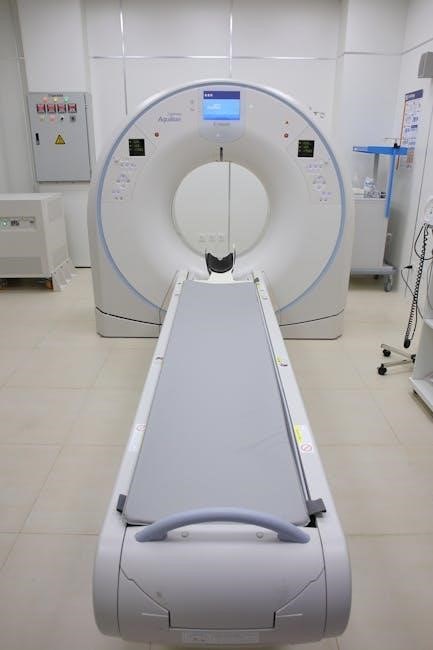
Ensuring Accurate and Compliant Coding
Accurate coding for CT-guided liver biopsies‚ utilizing codes like 47000 and 77012‚ is paramount for compliant billing and appropriate reimbursement. Staying informed about updates‚ such as those from the ACS regarding code 47379 and 49321‚ is crucial.
Proper documentation‚ including detailed radiologist and pathologist reports‚ supports coding accuracy. Consistent use of resources like the AAPC and current CPT manuals minimizes errors. Prioritizing these practices ensures financial integrity and adherence to coding regulations within healthcare facilities.